Radio Voice Tracking: How It Actually Works
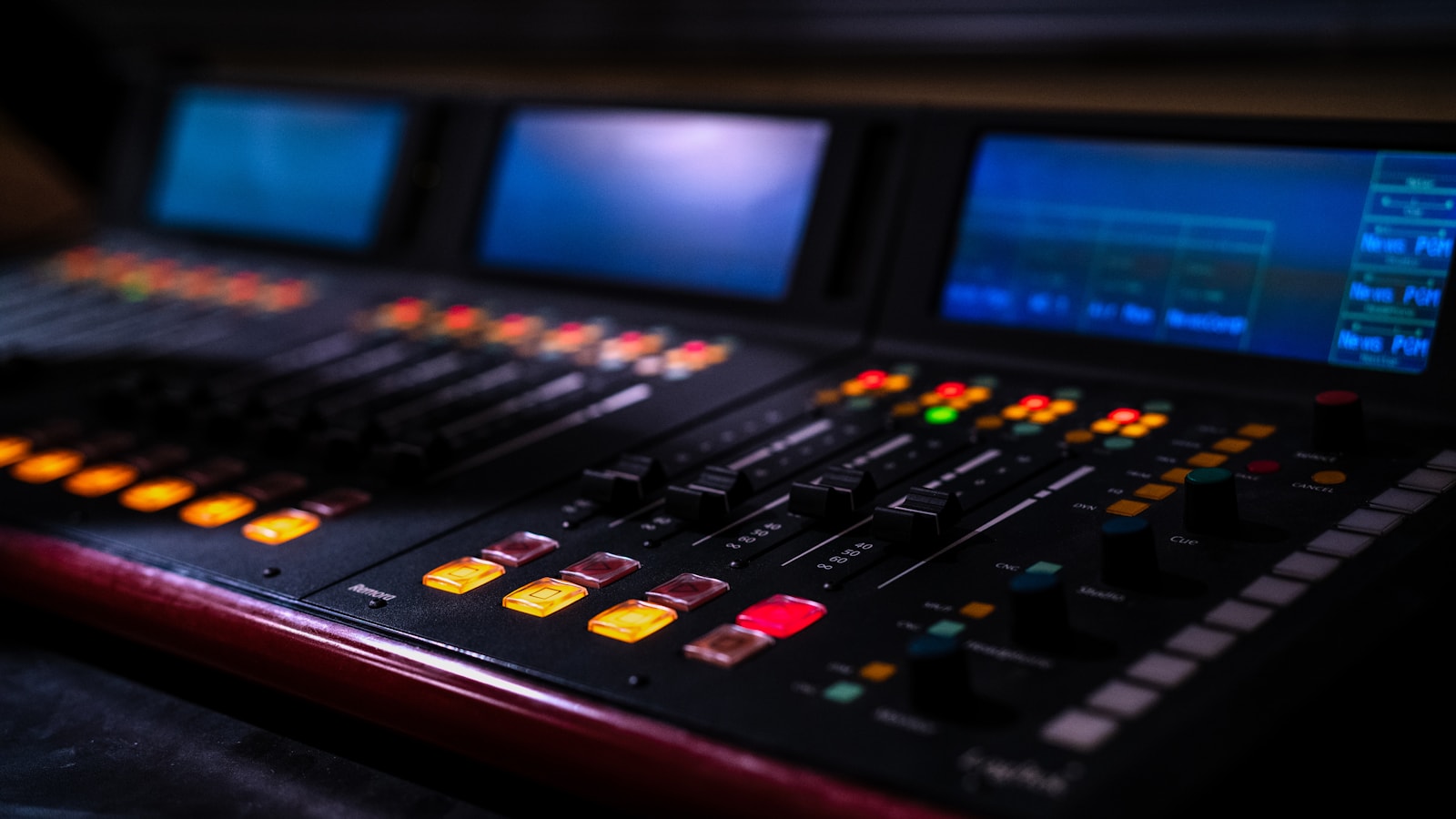
Photo by Jacob Hodgson on Unsplash
By Jason Kidd
Programmer, Talent, President/CEO
The first program director who told me his station was mostly tracked said it the way you would admit to a bad habit. Lowered voice, half a shrug, a quick look at the door. That was a long time ago. Today the majority of music shifts on American radio outside of mornings are voice tracked, and the stations doing it well have stopped apologizing, because their listeners never noticed and their budgets did.
I rewrote this post from the ground up because the original version, like most of what gets written about voice tracking, was a sales pitch wearing a trench coat. Station owners and PDs deserve the straight version instead: what voice tracking actually is, how it works inside your automation, what it genuinely saves, and the dayparts where I will tell you to your face to keep a live body in the chair. That last part is the section most services leave out.
- Voice tracking means recording a shift's talk breaks in advance against the station's real music log, so automation plays them in sequence. It is not syndication and it is not an AI voice.
- The money case is structural: a per-shift fee for finished breaks replaces a full-time salary with benefits, and one prepared talent can cover dayparts in several markets a day.
- Technology never decides whether a tracked shift sounds live. Preparation does. Stations that send real market prep get local-sounding radio; stations that send nothing get wallpaper.
- Mornings, severe weather, remotes, and caller-driven features should stay live. Tracking the wrong daypart is how a good tool turns into a ratings problem.
- Every major automation platform, including Zetta, WideOrbit, and NexGen, has voice tracking built in, so most stations already own the infrastructure to start.
What is voice tracking in radio?
Strip away the industry shorthand and voice tracking is simply a shift built in two passes. The music, the imaging, and the spot breaks are scheduled the way they always were. The jock's voice, the part between the songs, gets recorded before air instead of during it. When the shift plays out, the audience hears a complete show: talent coming out of a song, setting up the next one, teasing the contest, hitting the weather.
Two things voice tracking is not, because both confusions cost stations money. It is not a syndicated show, where hundreds of stations carry identical content and your market gets whatever the network cut. A tracked shift is yours: your log, your promos, your streets and events in the breaks. And it is not a synthetic voice. There is a real jock on the other end making real decisions about every break. I wrote about why an AI voice cannot replace market knowledge separately, and the short version is that the voice was never the hard part. Knowing what to say to your town is.
How does voice tracking actually work?
The mechanics matter less than people think and more than lazy trackers admit. Every modern automation system shows the talent the same thing: this break sits between these two songs, here is the outro you are talking over, here is the intro you are hitting. A good tracker listens to both, records the break in context, and moves to the next one. The system handles the surgery. Done properly, the seams do not exist, because there are no seams. The break was performed against the actual music, not dropped in cold.
The craft inside that workflow is its own subject, and I gave it a full post: how to voice track a great radio shift covers the prep checklist, the break-by-break method, and the tells that give a lazy shift away. If you are a talent reading this, start there. If you are an owner or PD, keep reading, because your decisions are the ones that determine whether tracking helps or hurts.
What does voice tracking save a station?
Here is the arithmetic without the brochure gloss. A live body in a chair costs you a salary whether the daypart rates or not, plus benefits, plus the recruiting cycle when they leave for the market up the road. A voice tracked daypart costs you a fee per shift. The talent spends their recording time on your breaks and their prep time on your market, then does the same for someone else in a market you do not compete in. You are buying finished radio instead of renting a person.
The savings are real, but I want to be honest about where they come from. They do not come from the talent working less. A tracked shift that sounds live takes real prep, and you should be suspicious of any voice tracking service priced as if prep does not happen. The savings come from eliminating idle time. A live jock sits through four hours of songs to perform maybe forty minutes of content. Tracking removes the sitting, keeps the content, and lets the cost of a great talent spread across several stations instead of landing entirely on yours.
What does that fee actually run? It depends on market size, shift count, and how much custom production rides along, which is why I quote stations individually instead of publishing a rate card that would be wrong for half of them. The comparison to make is never fee versus free. It is fee versus salary, and for music dayparts that comparison is not close.
When should a station NOT voice track?
This is the section that makes some competitors wince, and it is the reason stations trust us with the shifts they do track. Some radio has to be live. Your morning show is a relationship, not a music rotation, and relationships do not pre-record. When the tornado siren goes off, a tracked shift keeps playing songs, and every listener who flipped to you for information just learned your station is a jukebox. Remotes, ballgames, phone topics, anything where the audience participates: live, no argument from me.
The mistake I see is not stations tracking too little. It is stations tracking the wrong things first. Track your overnights and weekends before you touch middays. Track middays before you ever think about afternoons. And if your market has a weather season, build the interrupt plan before you need it: who goes live, how fast, and who has the studio codes. A station that tracks with a plan sounds live around the clock. A station that tracks to save money on Tuesday sounds abandoned by Thursday.
Does voice tracking sound canned?
I have played PDs pairs of airchecks, one live and one tracked, and watched them guess wrong more often than right. The tracked shifts that win those tests are built on prep files: the market's pronunciations, this weekend's events, the interstate everyone hates, the high school rivalry that fills a gym in February. The tracked shifts that lose skip the file and cut fourteen breaks of "great song, more coming up." That fails everywhere, and it fails live too. I broke down what a working jock's day actually looks like, and the honest answer is that most of it is preparation. Tracking does not remove that work. It just moves it off the clock.
What should a station send its voice tracker?
The stations that get the best tracked radio treat their tracker like a staff member who happens to work remotely. They send the promo calendar before it starts, not after. They flag the client remote so the tracker can tease it. They correct a botched street name once and never hear it again. When we onboard a station, building that market file is the first thing we do together, because every break we cut for you is only as local as the information behind it.
How do you choose a voice tracking service?
Demos are performances. Process is what you live with. When you evaluate radio voice tracking providers, ask the unglamorous questions. What happens when a log changes at 4pm for a 6pm shift? Who is the backup when your regular talent is out, and do they get the same market file? Does the roster include a voice that fits your format, or will a CHR jock be doing an impression of country? The answers separate a service from a guy with a microphone.
And if the honest problem is not the voice but the log behind it, that is a different conversation, one about clocks, rotations, and format execution. That is what our programming consulting work exists for, and it pairs with tracking more often than you would guess, because a great break cannot save a broken hour.
Voice tracking earned its place in radio by doing exactly what it promises: keeping great talent between the songs at a cost a music daypart can justify. Do it with prep, keep the right shifts live, and your listeners will never spend one second wondering where the voice is sitting. They will just know the station sounds good, which was always the point.
Want this sound for your station?
Talk to Virtual Jock about voice tracking, imaging, and jingles. Get a free demo, no obligation.
Get a Demo